EUROPEAN PRECISION PARTS · DRAWING-BASED SOURCING
Source drawing-based metal turned components through one technical and commercial interface. CNCsupplier coordinates European manufacturing for small precision parts in brass, stainless steel, free-cutting steel and aluminum.
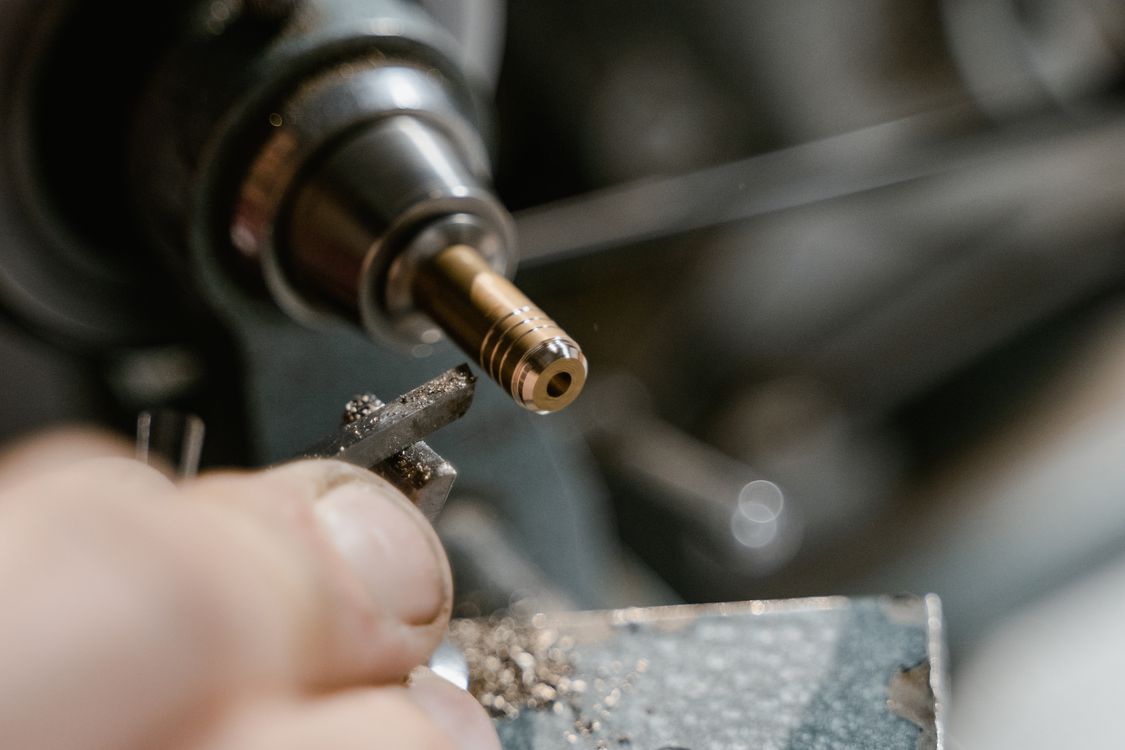
Custom turned components for your assembly
A turned part is defined by more than its outside diameter. Bores, threads, grooves, cross-holes, sealing faces and the relationship between features determine whether it will fit and function. Send the complete drawing revision so that manufacturing and inspection can be reviewed together.
Choose the material around the application
Brass is a candidate for fittings, valve components and electrical parts. Stainless steel may suit components with corrosion or cleaning requirements. Free-cutting steel can be considered when machining productivity and the specified mechanical properties are central. Aluminum offers a route for lightweight parts. The exact alloy, condition and any restricted substances must be stated in the request.
From samples to repeat orders
For a new component, define the purpose of the sample batch: assembly checks, dimensional approval or process validation. For repeat production, include the annual demand, delivery batch sizes and expected reorder schedule. We review the production route and documentation scope against the actual requirements rather than assuming that one process suits every part.
Swiss turning and fixed-head CNC turning
Long, slender parts and compact components with multiple features may call for different turning strategies. Supplier selection considers geometry, material, tolerances and quantity. Additional operations and outsourced finishing should be included in the quotation scope from the start.
What to include in your Request for Quotation (RFQ)
Provide a dimensioned drawing and Computer-Aided Design (CAD) file, material specification, quantities, critical dimensions, thread standards, surface finish and inspection requirements. Identify sealing or sliding surfaces, edge conditions and cleanliness needs. State whether material certificates, first-article reports or other approval documents are required.
How are tolerances and delivery confirmed?
Tolerances, batch size, finishing, inspection and lead time are confirmed for each quotation. A drawing review establishes the feasible scope before an order is agreed. Component supply does not replace the customer’s assembly testing or product approval.
Explore related capabilities
Discuss your turned part requirements
Share your drawing, material, batch quantities and target delivery date. CNCsupplier will review the sourcing route and the requirements to include in your quotation.